
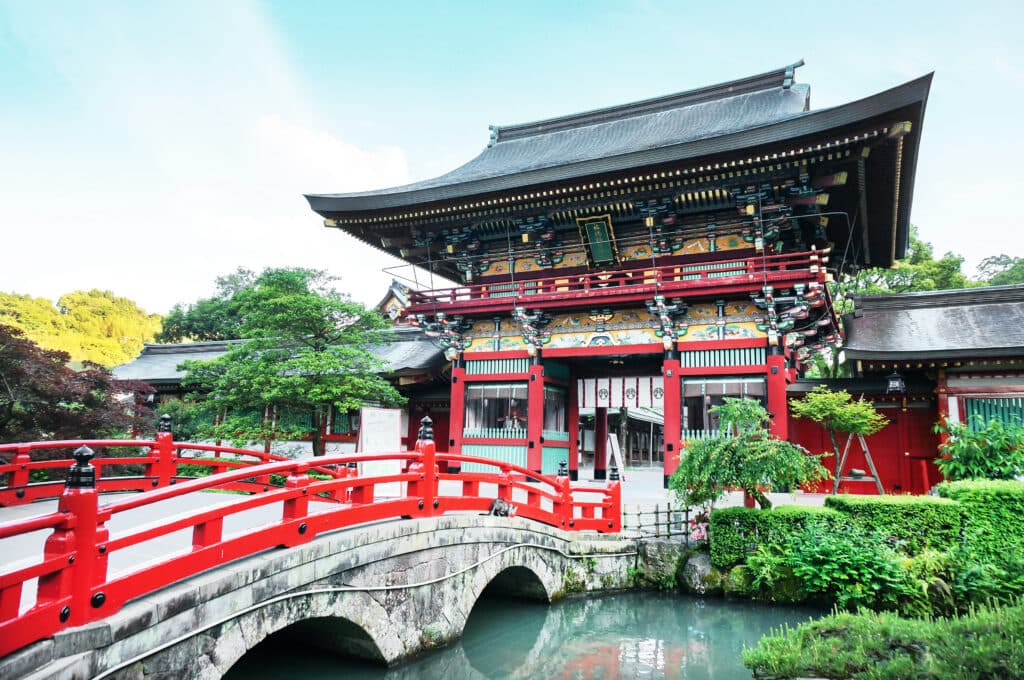
Japan seamlessly blends 2,000-year-old traditions with ultramodern technology. Tokyo pulses with neon-lit districts like Shibuya, pop culture in Akihabara, and the historic Imperial Palace. Kyoto preserves 2,000 temples and shrines, traditional geisha culture, and zen gardens. Mount Fuji provides an iconic backdrop for lakes and hot spring towns. Osaka excels in street food culture with takoyaki and okonomiyaki. Japanese cuisine from sushi to ramen to kaiseki represents culinary artistry. Cherry blossom season transforms the country into pink wonderlands. The Shinkansen bullet train network connects cities efficiently. Japanese hospitality (omotenashi), cleanliness, and punctuality create exceptional travel experiences.
Best time to visit:
March-May (cherry blossoms) and September-November (autumn foliage); Avoid rainy June and hot/humid August
Tradition & Innovation Harmony
Japanese culture values harmony, respect, and attention to detail, evident in tea ceremonies, flower arranging (ikebana), and traditional ryokan inns with tatami rooms and kaiseki meals. Ancient castles like Himeji and temples like Fushimi Inari shrine with 10,000+ torii gates showcase architectural heritage. Samurai history persists in castle towns and martial arts. Natural hot springs (onsen) offer relaxation in scenic mountain settings. Japanese gardens exemplify landscape design philosophy. Modern Japan leads in technology, anime/manga culture, and innovative fashion. Regional festivals (matsuri) celebrate seasonal changes and local traditions. The country's four distinct seasons each offer unique beauty and cultural celebrations.