
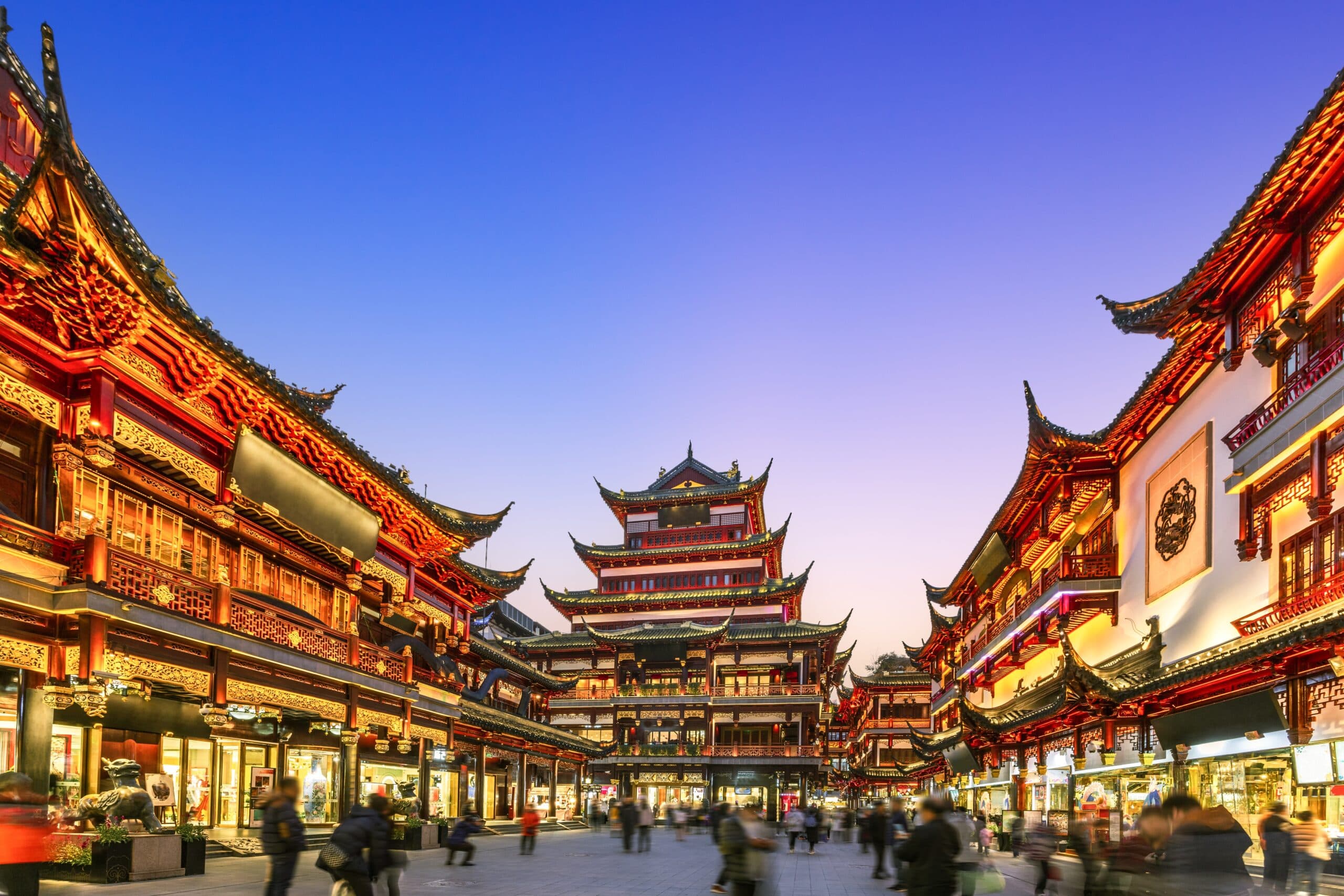
China's vast territory encompasses ancient wonders and modern marvels. The Great Wall stretches across northern mountains, while Beijing's Forbidden City preserves imperial grandeur. Xi'an guards the Terracotta Warriors, and Guilin showcases karst mountain landscapes along the Li River. Shanghai's futuristic skyline contrasts with traditional water towns like Zhouzhuang. Giant pandas inhabit Chengdu's breeding centers, while Zhangjiajie's pillar-like peaks inspired Avatar's landscapes. Chinese cuisine varies dramatically by region, from Cantonese dim sum to Sichuan spice to Beijing duck. The country's rich history spans dynasties, philosophy (Confucius, Taoism), and innovations like paper and gunpowder.
Best time to visit:
April-May and September-October (spring and autumn); Summer hot and rainy; Winter cold in north but good for fewer crowds
Ancient Heritage & Modern Innovation
China's UNESCO World Heritage sites include the Great Wall, Forbidden City, Temple of Heaven, and Potala Palace in Tibet. Traditional culture persists in tea ceremonies, calligraphy, Peking opera, and martial arts. The Yangtze River cruise showcases dramatic Three Gorges scenery. Modern China features bullet trains connecting cities at 300+ km/h, cutting-edge architecture, and vibrant tech hubs. Eight regional cuisines offer incredible culinary diversity. Silk Road cities like Dunhuang preserve Buddhist cave art. Minority cultures including Tibetan, Uyghur, and Zhuang add diversity to Han Chinese majority. The country balances rapid development with efforts to preserve cultural heritage and natural beauty in national parks.