
1 May 2026
The Only Guide You Need to See the Northern Lights (And Why Most People Miss Them)
By One Moment
- Northern Lights
- Norway
- Iceland
- Bucket List
- Winter Travel
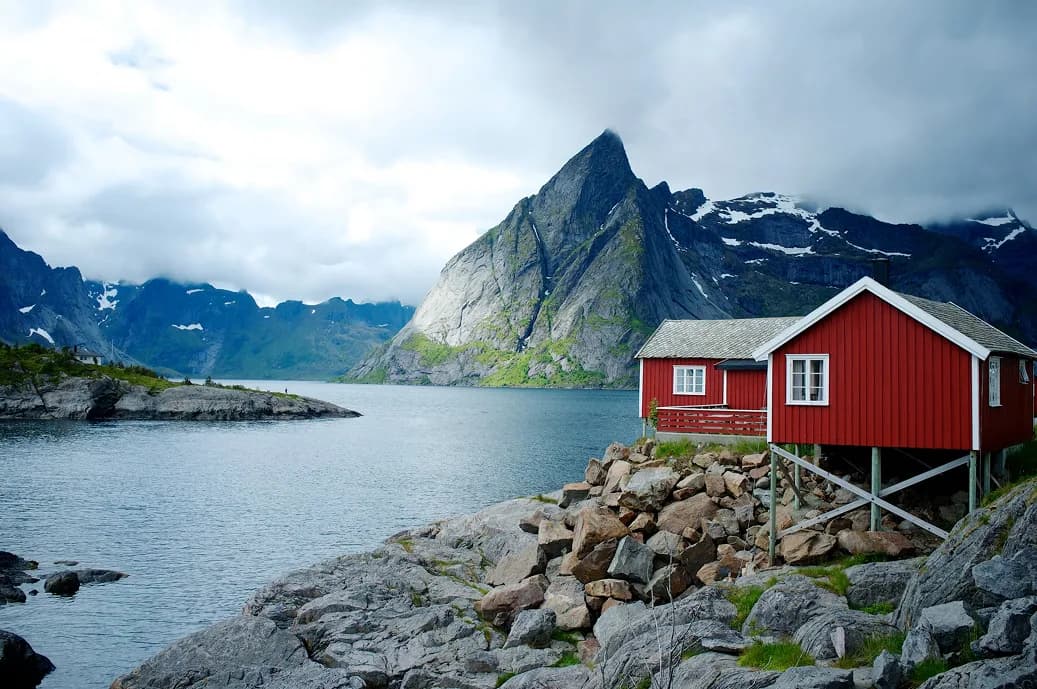
The Northern Lights aren't guaranteed. Most people fly to Norway, spend five days, and come back with nothing. Here's how to actually see them.
Every year, thousands of people fly to Norway or Iceland, spend five days, and come back with nothing. Clear sky for twenty minutes on the last night if they're lucky. The Northern Lights are one of the most wanted experiences on earth — and one of the most frequently botched.
Here's what actually determines whether you see them.
The month matters more than the country
October to March is the window. Peak activity tends to fall around the equinoxes — late September into early October and mid-March. December is great for darkness but not necessarily for solar activity. Most people book December. Most people are optimising for the wrong thing.
You need to get out of the city
Tromsø, Reykjavik, Rovaniemi — all solid bases. But the lights don't appear on your hotel terrace. You need to be somewhere with zero light pollution, ideally with someone tracking the KP index in real time and driving you to where conditions are best that night. Sitting in a glass igloo and hoping is not a strategy.
Give yourself enough nights
The forecast changes every six hours. A three-night trip is rarely enough. Five to seven nights gives you multiple windows. If conditions don't open on nights one and two, you still have a shot. The people who see the lights are the ones who stayed long enough.
Iceland vs Norway vs Finland
Iceland gives you dramatic landscapes alongside the lights — volcanic, raw, unlike anywhere else. Norway, especially Tromsø, has the most developed aurora infrastructure and arguably the highest probability of sightings. Finnish Lapland adds reindeer sledding, snowmobiles, and glass cabins — better if you're going with family or want the full winter experience beyond just the lights.
2026 is a particularly good year
The sun is at or near solar maximum right now — a cycle that peaks roughly every eleven years. This means aurora activity is significantly stronger and more frequent than usual. If you've been putting this trip off, this is the year to stop doing that.
This is one of those experiences worth planning your year around. It's just not worth leaving the timing to chance.
If you want to know exactly when and where we'd send you — and what a well-planned Northern Lights trip actually looks like — WhatsApp us.